

When your postpartum scent shifts
When Your Postpartum Scent Shifts: What’s Normal, What’s Not - and How Gentle Support Can Honor Your Healing
If there’s one thing I remember about early motherhood, it’s the smells. Nothing compares to the sweet scent of your baby’s head. It’s the kind of smell you wish you could bottle forever. But before long, sweaty toddler hair, blow-outs, and spit-up replace that newborn sweetness.
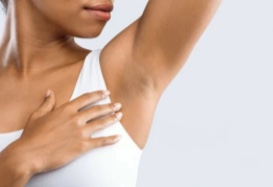
And then there are the other smells of motherhood - the ones coming from your own healing body. If you’re noticing shifts in body odor, especially under your arms or with lochia, it’s totally normal (and surprisingly common). Let’s walk through what’s happening, what to watch for, and how homeopathy and mindful care can support you through this fragrant, vulnerable season.
Why Do Postpartum Scents Shift?
Hormones and Body Chemistry Resetting
Postpartum is a time of immense hormonal and physical shifts, and sometimes those changes show up in surprising ways, including new or unusual body odors. Estrogen and progesterone drop, prolactin rises to support milk production, and your body starts flushing out months of extra fluid. These changes often show up as heightened sweating and new scents.
Lochia (vaginal discharge after birth) naturally carries smells similar to menstrual blood: metallic, musty, or earthy. These are expected, but if you ever notice a fishy or foul odor, it’s a sign to pay attention.
Sweat, Stress, and Sleep Deprivation
Your body sweats more postpartum to eliminate extra fluid from pregnancy, and breastfeeding increases this, especially at night. Exhaustion, elevated stress hormones, and feeling out of routine can amplify odors. New moms often comment on sweat that smells different, even when hygiene hasn’t changed.
In my own journey, postpartum “smell” was one of the biggest surprises. Both of my babies were born in summer, and combining hot San Diego weather with lack of sleep, little time to shower, and the stress of trying to do everything “right” was a recipe for a stinky hot-mess.
The Surprising Purpose of Scent
These scents may actually serve a purpose: babies are wired to recognize and follow their mother’s scent, which helps encourage nursing and connection. Your postpartum body is wise, even when it feels inconvenient.
Practical Self-Care for Scent and Comfort
Stay hydrated. Water supports healing, helps flush toxins, and can reduce strong odors.
Choose breathable fabrics. Cotton, bamboo, or moisture-wicking materials help air circulate and prevent odors from building.
Protect your shower time. A warm bath or shower does more than support hygiene - it’s restorative for your mental health. On the days it wasn’t possible for me to get help, I’d bring my baby into the bathroom while I showered, so I could still carve out that moment, even if it was a quick shower.
Support your microbiome. Gentle swaps in food and care make a difference: reduce pungent foods, try baking soda or apple cider vinegar rinses, or explore natural underarm detoxes (like clay and cider).
Take small resets. Even quick hygiene practices, changing into a fresh shirt, a cool washcloth, a clean bra, can help you feel more comfortable.
Know the red flags. If your lochia smells foul, or if you experience increased bleeding, fever, or pain, these are not just normal postpartum scents and may signal infection. Always reach out to your OBGYN and/ or homeopath if you’re concerned.
Homeopathic Remedies for Postpartum Body Odor
Homeopathy looks beyond the surface and supports the whole person, helping mothers feel more balanced, steady, and at home in their bodies again. While remedies like Sepia, Lachesis, and Pulsatilla are often called on to support overall hormonal balance, there are also remedies that specifically address issues of perspiration and odor.
✨ For Perspiration and General Body Odor
Sepia - For hormonal imbalance and postpartum depletion. Perspiration may leave brown stains and carry an offensive odor.
Sulphur - For mothers who run hot and can’t tolerate warmth and feel worse from heat. In low potencies, Sulphur often helps regulate strong body odors.
Hepar sulph - When perspiration leaves yellow stains, often with draft sensitivity and a tendency toward infections.
Mercurius - For mothers swinging between hot and cold, often with profuse perspiration and offensive breath or body odor.
Psorinum - For chilly, exhausted mothers who can’t get warm, even in summer. There is often a theme of “uncleanliness” or feeling grimy, and odor can be strong.
Rheum - We think of this remedy for sour smelling babies but it can be helpful whenever sweat has a sour odor that lingers, even with good hygiene.
Silica - Helps the body gently eliminate toxins and reduce lingering odors. Useful when the system feels “sluggish" and needs a helping hand to release.
Bovista - When perspiration smells like onions, especially under the arms (compare with Thuja).
Thuja - For sour or onion-like perspiration linked with suppressed sweat.
Kali carb - For sour or pungent night sweats, often with weakness and lower back pain postpartum.
Calcarea carb - For mothers who sweat easily, especially around the head, with a sour or musty odor.
✨ For Smelly Lochia
Carbo vegetabilis - Foul, putrid-smelling lochia with great weakness and exhaustion; often needed when the mother feels faint or in a state of collapse.
Kreosotum - Very acrid, offensive-smelling lochia that can be corrosive and irritate surrounding tissues, often with burning or soreness.
Secale cornutum - Thin, dark, foul-smelling lochia, sometimes with continuous oozing, exhaustion, and chilliness.
Pyrogenium - Septic, offensive-smelling lochia with fever and restlessness, especially when symptoms seem out of proportion (e.g., very high fever with a low pulse).
Arsenicum album - Offensive discharges with burning pains, anxiety, and restlessness; the mother may crave warmth and reassurance.
Belladonna - When lochia suddenly becomes offensive or stops altogether, often accompanied by fever, heat, and throbbing pain.
A Gentle Reminder
Every remedy is chosen based on the whole picture of a mother’s symptoms, not just the smell of perspiration. Emotional state, energy levels, sensitivities, and the full postpartum experience guide remedy choice.
Homeopathy doesn’t aim to cover up your body’s signals. Instead, it works with your body’s rhythm to restore balance, so that what feels uncomfortable or embarrassing becomes part of your natural healing and release.
💛 If you’d like to explore how homeopathy can support your unique postpartum journey, I’d love to walk with you. Book a free discovery call at Leap Homeopathy
💛 If you’re not already a member, please join our Facebook Group "Homeopathy for Postpartum and Beyond: Health and Healing for Mothers"


